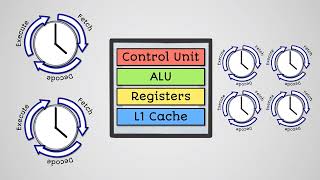
Short Overview: Learn about the ALU (Arithmetic Logic Unit), CU (Control Unit), Cache, and registers whilst revising
Cpu Performance And Embedded Systems Aqa Gcse Computer Science - Guide Related Context
This structured hub highlights Cpu Performance And Embedded Systems Aqa Gcse Computer Science through background context, nearby references, comparison cues, and reader questions so the page can feel more natural across many search queries.
In addition, this page also connects Cpu Performance And Embedded Systems Aqa Gcse Computer Science with for broader topic coverage.
Guide Related Context
This part keeps Cpu Performance And Embedded Systems Aqa Gcse Computer Science connected to practical references instead of leaving it as a single isolated phrase.
General Main Overview
Cpu Performance And Embedded Systems Aqa Gcse Computer Science can be reviewed through a clear overview first, then compared with related entries and supporting context.
General Important Notes
Important details can vary by source, so this page groups the most readable points into a scannable format.
Context Safety Notes
For changing topics, check updated sources and avoid depending on one short snippet alone.
Quick reference points
- Learn about the ALU (Arithmetic Logic Unit), CU (Control Unit), Cache, and registers whilst revising
How readers can use this page
The value of this overview is comparison ideas for Cpu Performance And Embedded Systems Aqa Gcse Computer Science while keeping the topic easy to scan.
Useful FAQ
What is the quickest way to understand Cpu Performance And Embedded Systems Aqa Gcse Computer Science?
Start with the main context, then compare related entries and check stronger sources when exact details matter.
When should Cpu Performance And Embedded Systems Aqa Gcse Computer Science be verified from official sources?
Official or primary sources are best when the information can affect decisions, costs, eligibility, safety, or deadlines.
Why do search results for Cpu Performance And Embedded Systems Aqa Gcse Computer Science vary?
Start with the main context, then compare related entries and check stronger sources when exact details matter.