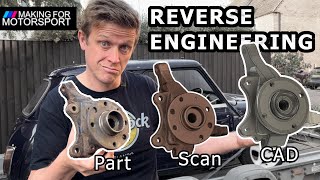
Search Overview: Learn how to turn raw 3D scan data into clean, parametric FreeCAD geometry using **PointPlaneSketch**, a new macro included ... In a CAD process, there are various methods to work with imported data from 3D scanners.
Stl To Surface Reverse Engineering - Information Verification Tips
This browsing page explains Stl To Surface Reverse Engineering through background context, nearby references, comparison cues, and reader questions with enough variation for broader AGC-style topic coverage.
In addition, this page also connects Stl To Surface Reverse Engineering with for broader topic coverage.
Information Verification Tips
The quality of the scan significantly influences the final part's quality. In a CAD process, there are various methods to work with imported data from 3D scanners.
Information Topic Snapshot
Learn how to turn raw 3D scan data into clean, parametric FreeCAD geometry using **PointPlaneSketch**, a new macro included ...
Guide Reference Notes
This section highlights the practical pieces readers may want before opening a more specific related page.
Guide Supporting Context
Context matters because Stl To Surface Reverse Engineering can connect to nearby topics, related searches, and different reader intents.
Main details to review
- In a CAD process, there are various methods to work with imported data from 3D scanners.
- Learn how to turn raw 3D scan data into clean, parametric FreeCAD geometry using **PointPlaneSketch**, a new macro included ...
- The quality of the scan significantly influences the final part's quality.
How readers can use this page
This format works because it offers comparison ideas for Stl To Surface Reverse Engineering while keeping the topic easy to scan.
Reader Questions
How can readers narrow down Stl To Surface Reverse Engineering?
Readers can narrow it by adding location, year, product name, provider, price range, purpose, or the exact problem they want to solve.
How does Stl To Surface Reverse Engineering connect to information?
Stl To Surface Reverse Engineering can connect to information when readers need context, examples, comparisons, or practical next steps inside the same topic area.
What is the quickest way to understand Stl To Surface Reverse Engineering?
Start with the main context, then compare related entries and check stronger sources when exact details matter.