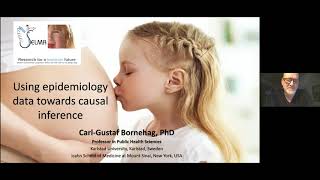
Browse Brief: Diane Benford (EFSA Scientific Committee, Italy) and Paschalina Papadaki (ECHA, Finland) Carl-Gustaf Bornehag, Head of Public Health Sciences, Karlstad University, Sweden, talks about HBM
Using Epidemiology Data Towards Causal Inference A Platform For Risk Assessment Of Chemicals - General Important Clues
This discovery page summarizes Using Epidemiology Data Towards Causal Inference A Platform For Risk Assessment Of Chemicals through key notes, similar searches, practical details, and next-step resources so readers can continue into related pages with clearer context.
In addition, this page also connects Using Epidemiology Data Towards Causal Inference A Platform For Risk Assessment Of Chemicals with for broader topic coverage.
General Important Clues
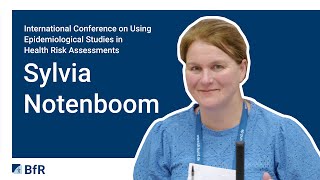
Sylvia Notenboom (National Institute for Public Health and the Environment, Bilthoven, The Netherlands) David Demortain (LISIS), chairman , Frédéric Bois (CERTARA), Kathryn Guyton (IARC), Jean-Lou Dorne (EFSA), Anax Oliveira ... Judy LaKind (LaKind Associates, LLC, Catonsville, USA and University of Maryland-School of Medicine, Baltimore, USA)
Reference Follow-Up Tips
Judy LaKind (LaKind Associates, LLC, Catonsville, USA and University of Maryland-School of Medicine, Baltimore, USA) What can happen when children get exposed to mixtures of endocrine-disrupting
Starter Guide for Readers
Diane Benford (EFSA Scientific Committee, Italy) and Paschalina Papadaki (ECHA, Finland) Carl-Gustaf Bornehag, Head of Public Health Sciences, Karlstad University, Sweden, talks about HBM
Guide Context
This part keeps Using Epidemiology Data Towards Causal Inference A Platform For Risk Assessment Of Chemicals connected to practical references instead of leaving it as a single isolated phrase.
Useful notes from the results
- What can happen when children get exposed to mixtures of endocrine-disrupting
- Judy LaKind (LaKind Associates, LLC, Catonsville, USA and University of Maryland-School of Medicine, Baltimore, USA)
- David Demortain (LISIS), chairman , Frédéric Bois (CERTARA), Kathryn Guyton (IARC), Jean-Lou Dorne (EFSA), Anax Oliveira ...
- Sylvia Notenboom (National Institute for Public Health and the Environment, Bilthoven, The Netherlands)
- Carl-Gustaf Bornehag, Head of Public Health Sciences, Karlstad University, Sweden, talks about HBM
- Diane Benford (EFSA Scientific Committee, Italy) and Paschalina Papadaki (ECHA, Finland)
Why this overview helps
This format works because it offers a simple summary for Using Epidemiology Data Towards Causal Inference A Platform For Risk Assessment Of Chemicals so they can continue with better search intent.
Quick FAQ
Why can Using Epidemiology Data Towards Causal Inference A Platform For Risk Assessment Of Chemicals have different answers?
Different sources may focus on different regions, dates, providers, versions, policies, or user situations.
How does Using Epidemiology Data Towards Causal Inference A Platform For Risk Assessment Of Chemicals connect to reference?
Using Epidemiology Data Towards Causal Inference A Platform For Risk Assessment Of Chemicals can connect to reference when readers need context, examples, comparisons, or practical next steps inside the same topic area.
How does Using Epidemiology Data Towards Causal Inference A Platform For Risk Assessment Of Chemicals connect to resource?
Using Epidemiology Data Towards Causal Inference A Platform For Risk Assessment Of Chemicals can connect to resource when readers need context, examples, comparisons, or practical next steps inside the same topic area.
What should be avoided when researching Using Epidemiology Data Towards Causal Inference A Platform For Risk Assessment Of Chemicals?
Avoid treating one short snippet as complete, especially when the topic involves money, health, law, schedules, or current details.