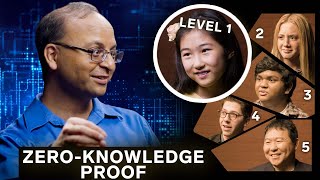
Reference Card: Computer scientist Amit Sahai, PhD, is asked to explain the concept of Explore the forefront of cybersecurity with Professor Dan Boneh, an esteemed expert in cryptography, as he unravels the ...
Zero Knowledge Proofs - Knowledge Map
This search guide collects Zero Knowledge Proofs with useful examples, follow-up ideas, and topic signals before checking stronger or official sources.
In addition, this page also connects Zero Knowledge Proofs with for broader topic coverage.
Knowledge Map
Featuring Avi Wigderson from the Institute for Advanced Study, Princeton. Computer scientist Amit Sahai, PhD, is asked to explain the concept of
Context Planning Tips
Explore the forefront of cybersecurity with Professor Dan Boneh, an esteemed expert in cryptography, as he unravels the ... Watch over 2400 documentaries for free for 30 days AND get a free Nebula account by signing up at ...
Overview Search Context
Context matters because Zero Knowledge Proofs can connect to nearby topics, related searches, and different reader intents.
General Core Points
Important details can vary by source, so this page groups the most readable points into a scannable format.
Key points worth scanning
- Featuring Avi Wigderson from the Institute for Advanced Study, Princeton.
- Computer scientist Amit Sahai, PhD, is asked to explain the concept of
- Explore the forefront of cybersecurity with Professor Dan Boneh, an esteemed expert in cryptography, as he unravels the ...
- Watch over 2400 documentaries for free for 30 days AND get a free Nebula account by signing up at ...
Why this topic is useful
This format works because it offers follow-up questions for Zero Knowledge Proofs before checking official or primary sources.
Helpful Questions
How should beginners approach Zero Knowledge Proofs?
Beginners should scan the overview first, then use related terms to narrow the subject into a more specific question.
What questions should readers ask about Zero Knowledge Proofs?
Check freshness, source quality, related examples, and any requirements or limitations before relying on one answer.
What should be checked first?
Readers should check the main context, important requirements, source freshness, and any details that may change over time.